Event Security : In today’s world, hosting a successful event goes far beyond great speakers, engaging entertainment, or flawless logistics.
The foundation of any memorable gathering is the safety and security of every single attendee, staff member, and performer.
This is where professional Event Security transitions from a line item in a budget to the most critical investment you can make. At Hunter James, we understand that effective Event Security is the invisible framework that allows every other element of your event to shine, providing the peace of mind necessary for true success.
What is Event Security? Definition, Core Elements, and Critical Importance
Event Security is a comprehensive term that encompasses the strategic planning, protocols, and operational measures implemented to protect people, property, and the integrity of a gathering.
It is a multi-layered discipline designed to prevent, mitigate, and respond to a wide range of potential threats, from crowd-related incidents and unauthorized access to more serious emergencies.
The core objective of any Event Security plan is to create a secure environment where the event’s purpose—whether it’s celebration, education, or commerce—can be achieved without disruption or danger. This involves a blend of human expertise, proven procedures, and advanced technology working in unison.

Why is investing in professional Event Security non-negotiable?
1. Duty of Care: Organizers have a legal and ethical obligation to provide a safe environment for all participants.
2. Protection of Reputation: A single security incident can cause irreparable damage to an organization’s brand and future viability.
3. Financial Safeguard: Beyond potential liabilities, effective Event Security prevents losses from theft, vandalism, and event cancellation.
4. Ensuring Positive Experience: Attendees who feel safe are more engaged, relaxed, and likely to return, making Event Security
a key component of guest satisfaction.
The key components of a robust Event Security strategy include:
· Risk Assessment & Planning: The foundational step for all Event Security.
· Access Control & Crowd Management: Defining perimeters and managing the flow of people.
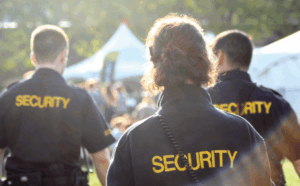
· Visible & Covert Personnel: Trained professionals acting as both deterrents and first responders.
· Technology Integration: Using CCTV, screening equipment, and communication systems.
· Crisis Management Planning: Preparing structured responses for various emergency scenarios.
· Liaison with Public Agencies: Coordinating with local police, fire, and medical services.

Everything You Need to Know About Event Security: From Initial Planning to On-Site Execution
Understanding Event Security requires a look at the full lifecycle of an event’s safety plan. It is a process that begins the moment an event is conceived and continues until the last guest has departed safely.
Phase 1: The Critical Role of Risk Assessment in Event Security
The first and most crucial step in anyEvent Security operation is a thorough Risk Assessment. This is not a generic template but a bespoke analysis of your specific event. Specialists from a firm like Hunter James will evaluate factors including:

· Event Type: A political rally has different Event Security
needs than a music festival or a corporate gala.
· Venue Analysis: Identifying ingress/egress points, blind spots, and structural vulnerabilities.
· Attendee Profile: The expected size, demographics, and behavior of the crowd.
· Asset Value: Protection of high-value equipment, intellectual property, or VIP attendees.
· Historical & Intelligence Data: Reviewing similar past events and current threat advisories.
The output of this phase is a detailed Event Security Plan (ESP).
This living document serves as the blueprint, outlining specific strategies for threat mitigation, staffing plans, emergency procedures, and communication protocols.
A meticulous Event Security plan is what separates a proactive security posture from a reactive one.
Phase 2: On-Site Execution of Event Security
Protocols
With the plan in place,the focus shifts to flawless execution. This phase turns strategy into visible action:
· Layered Access Control: Implementing perimeter security, credential checks, and bag screening to ensure only authorized individuals gain entry to designated zones.
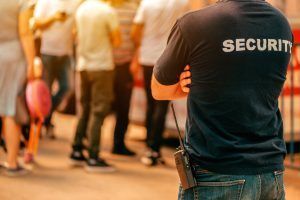
· Dynamic Crowd Management: Using trained personnel and physical barriers (stanchions, fencing) to safely direct attendee flow, prevent crushes, and manage queues.
This is a specialized skill within Event Security that prevents issues before they escalate.
· Trained Security Personnel: Deploying a mix of uniformed officers (as a visual deterrent) and plain-clothes specialists (for observation and disruption).
Hunter James
personnel are trained not just in enforcement, but in customer service and conflict de-escalation.
· Technology as a Force Multiplier: Integrating surveillance cameras for real-time monitoring, using two-way radios for instant team communication, and employing metal detectors or chemical sniffers where threat levels dictate.
This integrated approach to Event Security ensures comprehensive coverage, where human judgment is supported by technological advantage.
Event Security Management: The Art of Command, Control, and Coordination
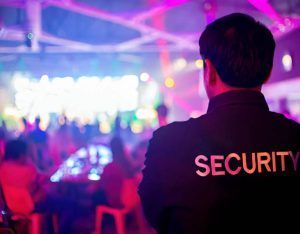
Event Security Management is the discipline of orchestrating all the moving parts of your security operation. It is the command hub where planning meets real-time decision-making.
The Event Security Manager acts as the conductor, ensuring every element—from front-line staff to public agency liaisons—works in perfect harmony.
Key responsibilities of professional Event Security Management include:
· Unified Command: Establishing a clear chain of command for all Event Security personnel and integrating with public safety responders.
· Real-Time Communication: Maintaining seamless information flow between security teams, event organizers, and venue management via centralized comms.
· Crisis Response Leadership: In an emergency, the Event Security Management team activates pre-defined protocols, makes critical decisions under pressure, and manages evacuations or lock-downs.
· Post-Event Analysis: Reviewing performance, documenting incidents, and refining plans for future events—a critical step for continuous improvement in Event Security
.
Choosing an expert provider like Hunter James for your Event Security Management means entrusting this complex responsibility to seasoned professionals who have managed security for events of all scales and types.
Conclusion: Professional Event Security is the Foundation of Your Event’s Success
Ultimately, Event Security is not merely a precaution; it is the essential foundation that allows confidence, enjoyment, and business to flourish. A professional, comprehensive Event Security strategy from a trusted partner like Hunter James transforms safety from a concern into a certainty.

By prioritizing professional Event Security, you do more than mitigate risk—you build trust with your attendees, protect your organization’s future, and create the conditions for an event that is remembered for all the right reasons. When you partner with Hunter James, you gain more than a security vendor; you gain a dedicated team focused on making your event’s safety our foremost mission.
Secure your event’s success. Contact Hunter James today to develop a custom Event Security plan.
Keywords:Event Security, Event Security Management, Event Security Plan, Crowd Management, Risk Assessment, Security Personnel, Corporate Event Security
, Festival Security, VIP Protection, Access Control, Crisis
The post Event Security: Everything You Need to Know/2026 appeared first on Hunter James Security.